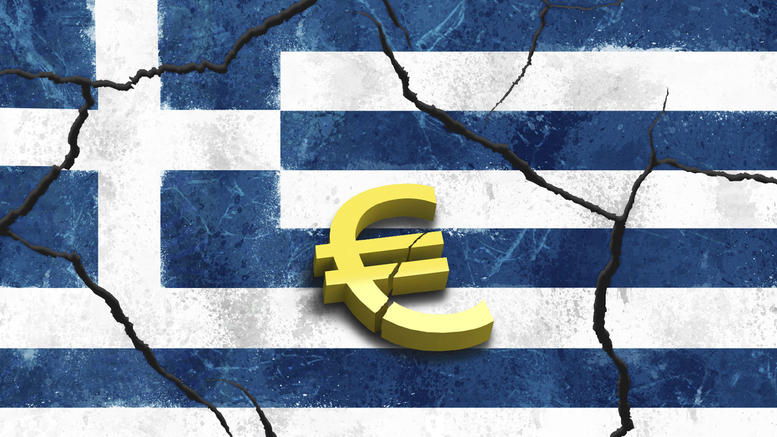
For about half a decade Greece has been covered extensively in both print and electronic media for its near default on external debts. It is increasingly becoming a norm to reference the situation that the Greeks find themselves in as the destination headed by Ghana considering the rate of debt pile of the our government. As I tried to explain the genesis of the Greek current problem to a working colleague who until then had wondered how prosperous Greece from medieval times got plunged into the financial abyss, I decided to put same in writing for others to familiarize themselves with the facts and draw their own conclusions. I daresay everything is in mainstream media and not concocted.
Number Crunch
Data freely available shows that Greece’s public debt has been growing at a higher level compared to their GDP (productivity). This has been problematic and may not have been so had their productivity grown in tandem with their debt. With higher amounts of debts and greater productivity, there shouldn’t be a problem with the sustainability of the debt owed since the debt to GDP ratio will be sustainable. However, Greece is borrowing more than they are producing as a country. This has led to a debt to GDP ratio in excess of 100 percent. A look at the government’s books over the years show public expenditure consistently exceeding the public revenue (taxes) generated. This leads to deficits that have to be funded. Deficit spending each year increased their debt and as if that is not enough, their debt growth triggers investors concern as to whether they can service their indebtedness. As the debt piles up it becomes riskier and riskier. Returns commensurate with risk and therefore lenders with higher risk appetite demand higher returns (interest rates). This increases the debt further and further in a vicious cycle. Greece in particular was running deficits since they were spending more than they were generating in taxes so had to spend even more on the interests on their debt. In numerical terms this sums up the Greek experience, if they spent 5% on interest a year, a debt of $100 billion dollars, then they will be spending $5 billion on interest repayment alone. If interest rates rise to 10% then they have to spend $10 billion on the debt. This makes the interest expenditure grow.
“Straightforward solution”
What is the way out of this cycle? The government may decide on increasing taxes so as to generate more revenue to repay its debt. This solution goes hand in hand with cutting down on government spending to reduce the deficit. These are the measures that the troika of IMF, European Union and European Central Bank has tabled before Greek governments since 2010. However, these are unpopular political moves since like the current Syriza led government, promises are made by the politicians to the people and would therefore not want to displease the citizenry. More so government has statutory obligations that it cannot renege on as it may affect the vulnerable in the society such as pension trusts. There isn’t a straightforward solution to this mess. Currently unemployment in Greece is over 25 percent i.e. two in three young people are out of work. Thus, there is less productivity amid higher taxes. This coupled with government spending less culminates in austerity – slowing the economy further.
When the economy grinds slowly it hurts the government the more. There will be less revenue to meet expenditure exacerbating the deficit.
Crashed Economy
The troika of IMF, European Union and European Central Bank staged a rescue mission for the declining fortunes of Greece in 2010. However, covenants of the deal imposed austerity measures on Greece. These austerity measures actually made the Greek economy do even worse, which made debt as a percentage of GDP even higher, because now the GDP itself was shrinking at a larger rate. Austerity simply made the country less productive. Its hugely unpopular political bite forced the government of Samaras out of power. The combination of the crashed economy and the troika debts made the Greek debt grow from 133 percent of GDP in 2010 to 174% today. A third bailout has been agreed upon with the Euro bloc after months of entrenched positions by anti austerity Syriza and Greece’s creditors.
Ghana
According to a report by London based Jubilee Debt Campaign, some countries that were beneficiaries of the debt relief programme that G8 leaders signed up to at Gleneagles summit in 2005 were fast piling up debt thereby battling their another debt crises in a “debt danger zone”. Ghana has been firmly rooted in this zone. The Finance Minister, Seth Terkper in his 2015 budget statement to the Parliament told the nation that the debt stock (in percentage of GDP) increased from 36.3 percent in 2009 to 48.03 percent in 2012 then to 55.53 percent in 2013 and 60.8 percent in 2014. Recent figures released by the Bank of Ghana in their summary of economic and financial data for July 2015 shows that the country’s total debt stock has increased to 89.5 billion cedis which is 67.1 percent of GDP in May 2015 compared to 88.1 billon cedis (66.1 percent) in Apri2015. There has been an increase of 1.7 billion cedis to the country’s external debt representing 40.4 percent of GDP. The external debt stock as at May was 52.1 billion cedis (39.1 percent of GDP). It is worth noting that the country’s domestic debt decreased by 300 million cedis within same period. The domestic debt stock as at May 2015, stood at 35.7 billion cedis (26.7 percent of GDP) compared to April’s figure of 36 billion cedis representing 27 percent of GDP.
Barely a decade after the “slates were wiped clean,” the country is gradually digging another pit for itself and in the process saddling the unborn Ghanaian child with unwarranted hardship in debt repayment in the near future. The steady increase of this indicator is made much clearer in the graphical representation shown below. Although Ghana’s debts to GDP ratios over the two-decade horizon almost always trail their corresponding Greeks, an unlikely overnight interest hike could be catastrophic.
At the rate of piling on debt, the IMF has categorized Ghana as a high-risk distress country. This categorization and slump in credit rating by the major rating agencies for the country gives creditors a big payday and further worsen the debt stock. With 72 percent of government revenue paid as wages to the public sector, the government borrowing more to refinance old debts and current economic challenges calling for a bailout from the Bretton Wood institution, all is not well with the West African nation.
The Greeks were doing something not dissimilar. Alas, the central bank of Ghana can print money when the worse happens, something that the Greeks have forfeited. Well, unless there is a Grexit and drachma.
 The Post
Leave a comment